
.png)
.png)
Why this Summit matters
Communities across the West Midlands are experiencing significant social, economic and demographic change.
These shifts bring opportunities but also challenges for residents, councils and partner organisations alike.
Public servants are increasingly navigating complex conversations, community tensions and the spread of misinformation while supporting residents through change.
This Summit brings people together to share practical approaches, build confidence and strengthen trust between public services and the communities they serve.
Pre-event webinars
A number of webinars will be running on the lead up to the Community Cohesion Summit including.
Staff Wellbeing & Safety in a Time of Increased Community Tensions
Delivered by Veena Allison, Director of Effective Training Company
5th May - 10:30 - 11:30am
Practical Tools for Managing Tension with the Public
Delivered by Irena Hergottova, Head of Community, Equality & Libraries, Walsall MBC and The Belong Network - The Cohesion and integration Network
2nd June - 2:00pm - 3:00pm
Book your place to build confidence, share practical approaches and connect with
peers working on the frontline of community change.
Who is the Summit for?
This Summit brings together managers and practitioners across the public sector and voluntary workforce whose roles connect them to communities, to build confidence, connection and trust, including:
Council operational and frontline services Housing, homelessness and neighbourhood teams Children’s services, safeguarding and early help Adult social care and public health
Customer services and other frontline roles | Strategic, policy and workforce roles
Community safety, cohesion and equalities HR, OD, workforce development and EDI Policy, strategy, communications, legal and governance
Senior leaders and managers | Partners and external organisations Police, fire and neighbourhood teams NHS and ICB colleagues Voluntary, community and faith organisations
Universities and research bodies |
Key Themes
Throughout the day, the Summit will explore how public sector organisations and partners can support their workforce, navigate complex community conversations, strengthen inclusion and belonging, and use insight and evidence to build trust and resilience across our communities.
1. Workforce, Culture & Leadership
What does it now mean to be a council employee?
• Shared expectations, professionalism and public trust
• Supporting staff wellbeing and collective resilience
• Managing difference, uncertainty and external pressure within teams
• Leadership that creates psychological safety for everyone
2. Community Tensions, Hate Crime & Polarising Influences Understanding flashpoints and responding effectively
• Managing protest, counter-protest and community flashpoints
• Tackling hate crime and harassment across all protected characteristics
• Working with police, youth services, schools and counter-extremism networks
3. Integration, Inclusion & Belonging Building connection in changing communities
• Employment, education and civic participation
• Inter-faith and intercultural approaches
• Practical frameworks that support belonging and integration
4. Narratives, Data & Evidence Using insight to shape better policy and practice
• Tracking and recording community tensions consistently
• Using data and research to inform local strategies
• Challenging myths and misinformation through effective communications
Programme at a Glance

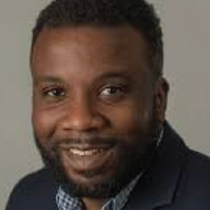
Emma Bennett (Chief Executive Walsall Council) and Stephen Gabriel (Chief Executive Tamworth Council)
09:15 - 09:35
As joint Regional Leads for Community Cohesion, Asylum and Migration, Stephen and Emma are honoured to be chairing the inaugural West Midlands Community Cohesion Summit, delivered in partnership with West Midlands Employers (WME) and the West Midlands Combined Authority (WMCA). The Summit was shaped by discussions at a Regional Chief Executives event in 2025, which highlighted a clear need for councils and public sector partners to strengthen awareness of community cohesion challenges across frontline services. It also identified the importance of providing greater support to managers and professionals working in this space, while improving collaboration across organisations on this critical cross-cutting issue. This event brings together leaders, practitioners and partners from across the region to share insight, practical experience and new approaches to strengthening cohesion in our communities.
Morning Keynote #1: Tim Rymer, Estate Utilisation and Transition Asylum Support and Transformation Directorate Asylum Group, Home Office
09:35 - 10:10
Future Government policy direction, consultations and national initiatives relating to community cohesion
This session will provide an overview of the latest Government policy direction, consultations and national initiatives relating to
community cohesion.
It will explore the current policy landscape across Whitehall and examine the implications for local government and public sector
partners, with a particular focus on issues relating to asylum, migration and community integration.
Participants will gain insight into the national context shaping local decision-making, alongside an understanding of where greater
engagement and collaboration between local and national government will be important.
Morning Keynote #2: Kelly Fowler, Chief Executive (Belong The Cohesion and Integration Network)
10:10 - 11:00
Community Cohesion Challenges and Opportunities
Kelly will explore the growing challenges facing public sector organisations and local communities in managing community cohesion.
Drawing on insights from the LGA/MHCLG Common Ground guidance and research from the Belong Network, Kelly will highlight how cohesion, social stability and economic prosperity are closely interconnected.
The session will also provide a practical perspective on monitoring and understanding community tensions, helping councils anticipate emerging issues and strengthen their approach to prevention, partnership working and early intervention.
Afternoon Keynote #1: Simon Jones, Assistant Director, Ministry of Housing, Communities and Local Government
13:15 - 13:45
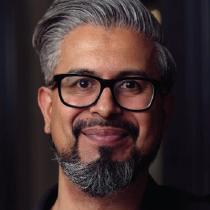
Afternoon Keynote #2: Sal Naseem – Award winning public servant and best selling author
13:45 - 14:45
Holding Onto Your True North
Sal, a best-selling author and experienced public sector leader, will explore what it feels like to lead with your values as a public servant and how we hold onto them in a world and environment which is consistently fraught with moral compromise.
- What does values-led leadership look like in 2026?
- How do we hold that line between our values and what might conflict with them externally?
- How do we navigate through this?
This keynote will look to answer these questions by exploring how we find, follow and hold onto our own True North. Sal will use a combination of storytelling, drawing from his rich leadership experience in the public sector, and unique frameworks focused on the practical takeaways for attendees. This session will challenge leaders to pause, reflect, and make intentional choices about the kind of leadership they practise every day. By reconnecting with their own True North, attendees will gain practical tools and renewed confidence to navigate ethical tension, external pressure, and complexity without losing themselves in the process.
Choose from 5 themed sessions including:
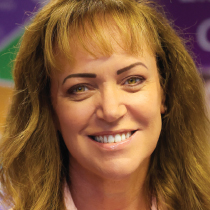
1. Sharon McCormick – Managing Community Tension & Staff Wellbeing
11:15 - 12:15
This workshop starts from the recognition that community tensions around housing, migration and resource allocation are often rooted in understandable perceptions of threat and uncertainty, rather than simply a breakdown in community relations. Traditional approaches can struggle to address these dynamics because they focus on policy explanations rather than the psychological responses communities experience under pressure. Sharon will introduce trauma-informed frameworks to help leaders navigate these challenges constructively — supporting communities without inflaming tensions or avoiding difficult conversations.
The session will also recognise that frontline staff frequently absorb the emotional impact of community tensions, and that supporting
staff wellbeing is essential if organisations are to support communities effectively. Participants will gain practical tools to recognise
when colleagues are struggling, initiate supportive conversations and build organisational resilience.
This workshop is particularly valuable for authorities without Psychological First Aid provision, equipping managers with practical
approaches to strengthen resilience, promote constructive dialogue and help organisations act as stabilising forces during periods of
uncertainty and politicalpressure.
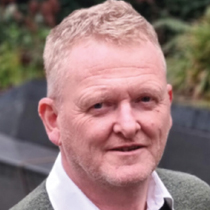
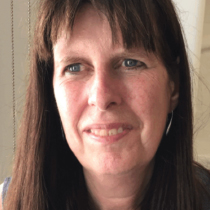
2. Mike Waite, Research Associate & Jill Rutter, Policy and Research lead, Belong – The cohesion and integration network
11:15 - 12:15
Community Tensions: What’s Happening on the Ground
Frontline professionals are increasingly required to navigate complex and emotionally charged interactions with citizens. Whether responding to frustration, managing difficult conversations or de-escalating tension in public settings, staff need practical tools and confidence to handle these moments effectively. This workshop will focus on simple, practical techniques frontline workers can use day-to-day — from the language we use to approaches that help calm situations before they escalate.
Through real-life scenarios and practical advice, the session will explore how staff can maintain professionalism, protect their own wellbeing and support positive outcomes for residents. Participants will also hear about developing work in this area following the Common Ground Guidance, with the session acting as a consultation opportunity to help shape future support for frontline managers and professionals.
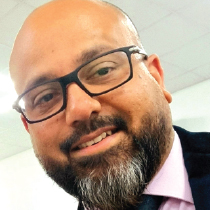
3. Junaid Hussain, Chief Executive - Equality and Inclusion Partnership (EQuIP) Narratives, Data and Evidence Division is Organised. Our Response Must Be Too.
11:15 - 12:15
Across the country, communities are experiencing increasing pressure from misinformation, organised protest activity and narratives designed to divide communities along racial, faith and migration lines. Since the beginning of 2025, Warwickshire has experienced a number of incidents and protests that have heightened local tensions.
Junaid will share examples where external far-right groups have sought to exploit local concerns, amplifying hostility and contributing to a rise in hate incidents — particularly online abuse directed towards certain communities. These experiences underline a critical reality: community cohesion cannot be treated as a peripheral issue. Without deliberate focus and coordinated action, divisions can deepen rapidly and erode trust between communities and public institutions.
This workshop will examine Warwickshire’s response, led by the EQuIP team in partnership with Warwickshire Police, local authorities and the Warwickshire Hate Crime Partnership. Drawing on direct engagement with communities and lived experience, the session will explore how local evidence has shaped a new Community Cohesion Action Plan and the creation of a dedicated Community Cohesion Operational Group.

4. Professor Imran Awan, Professor of Criminology Birmingham City University Anti-Muslim hatred and evidence based interventions
11:15 - 12:15
Professor Imran Awan, a leading criminologist at Birmingham City University and a nationally recognised expert on hate crime, extremism and Islamophobia, will deliver an engaging session exploring the nature, causes and impacts of anti-Muslim hate—both online and offline. Drawing on cutting-edge ESRC-funded research, including analysis of the Southport incident, he will show how misinformation can rapidly fuel hostility and shape public perceptions.
The workshop moves into interactive group activities tailored for different stakeholders, giving attendees the chance to apply insights and reflect on real-world challenges. The session concludes with practical guidance and a toolkit offering tangible steps that practitioners can use to challenge stereotypes, reduce anti-Muslim hatred, and strengthen community solidarity across the West Midlands.
5. Lou Calvey, Executive Director and Emma Birks, Campaigns Manager, Asylum Matters
11:15 - 12:15
In the session Emma and Lou will explore the facts and circumstances around the asylum system in the UK, with a focus locally in the West Midlands. We’ll understand the difference between public perception and the Lived Experiences of people seeking asylum, why people might travel to the UK, how many people come to the West Midlands, what happens to them and what their outcomes are.
We’ll explore the reforms people in the asylum system need, how they can benefit our communities and tax payers more broadly. Together we’ll also explore how Local Authorities and other community leaders can help calm an increasingly tense and risky dialogue.
Choose from 5 themed sessions including:
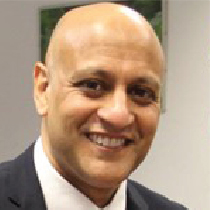
6. Shakil Butt, Multi -award winning Human Resources and Leadership Specialist Leading Difficult Conversations on Inclusion and Culture
14:55 - 15:55
Shakil is a renowned HR expert, author and specialist in inclusion, culture and leadership. Managers across public sector organisations increasingly find themselves navigating complex and sensitive conversations, particularly where national or local political debates intersect with workplace dynamics.
This workshop will explore how managers can strike the right balance between encouraging open and trusted dialogue while maintaining a safe, professional and inclusive workplace environment. Participants will examine how to manage changing team dynamics, address challenging perceptions and facilitate constructive discussions. The session will also provide practical tools and techniques to help leaders guide teams confidently and inclusively through the complexities of the current climate.
7. Mike Waite, Research Associate & Jill Rutter, Policy and Research lead, Belong - The cohesion and integration network
14:55 - 15:55
Managing Tensions on the Frontline
Frontline professionals are increasingly required to navigate complex and emotionally charged interactions with citizens. Whether responding to frustration, managing difficult conversations or de-escalating tension in public settings, staff need practical tools and confidence to handle these moments effectively. This workshop will focus on simple, practical techniques frontline workers can use day-to-day — from the language we use to approaches that help calm situations before they escalate.
Through real-life scenarios and practical advice, the session will explore how staff can maintain professionalism, protect their own wellbeing and support positive outcomes for residents. Participants will also hear about developing work in this area following the Common Ground Guidance, with the session acting as a consultation opportunity to help shape future support for frontline managers and professionals.
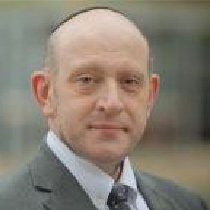
8. Mat Shaer, (former Chief Superintendent, West Midlands Police) and lead on hate crime
14:55 - 15:55
Social cohesion in the age of modern antisemitism
Mat is renowned for his community cohesion work during his extensive and senior policing career. As the Commander for Birmingham, Mat forged strong working relationships and friendships across many sectors and communities, including around his Force Lead work of hate crime. Now retired, Mat is engaged across a wide range of consultancy work, including domestic homicide reviews, venue and event security and inclusive leadership, alongside personal goals and ambitions.
During this session, Mat will share an exploration of modern antisemitism and the prospects for social cohesion in a challenging age.

9. Dan Slee, Director, Dan Slee, Future Comms made Easy
14:55 - 15:55
Communications in Challenging Times
Dan Slee is a leading communications expert who will explore how councils can proactively manage communications during periods of heightened community tension. The session will focus on how organisations can respond effectively to misinformation and disinformation, while maintaining trust and clarity in public messaging.
Dan will share practical insight into how communications teams can work alongside statutory officers, senior leaders and elected members to navigate sensitive situations, manage risk and ensure clear, coordinated messaging across organisations.Participants will gain practical strategies to help councils communicate confidently, responsibly and effectively when issues affecting community cohesion arise.
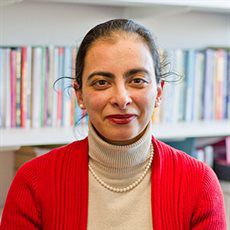
10. Jagbir Jhutti-Johal OBE, Professor of Sikh Studies at University of Birmingham
14:55 - 15:55
What good community leadership looks like after a high-profile incident
A practical session exploring how leaders respond to high-profile incidents—managing
misinformation, community fears and rising tensions. Focused on real-world insight, this workshop
will highlight key challenges and set out clear actions for councils, police and faith groups to
strengthen community cohesion.
Join us at the Community Cohesion Summit 2026
Book your place to build confidence, share practical approaches and connect with peers working on the frontline of community change.

Still need answers?
If anything is still unclear or you need more information, contact us.
Rebecca Davis
Chief Executive