

Embedding a coaching culture from the ground up: the stumbling blocks, the breakthroughs, and looking forward.
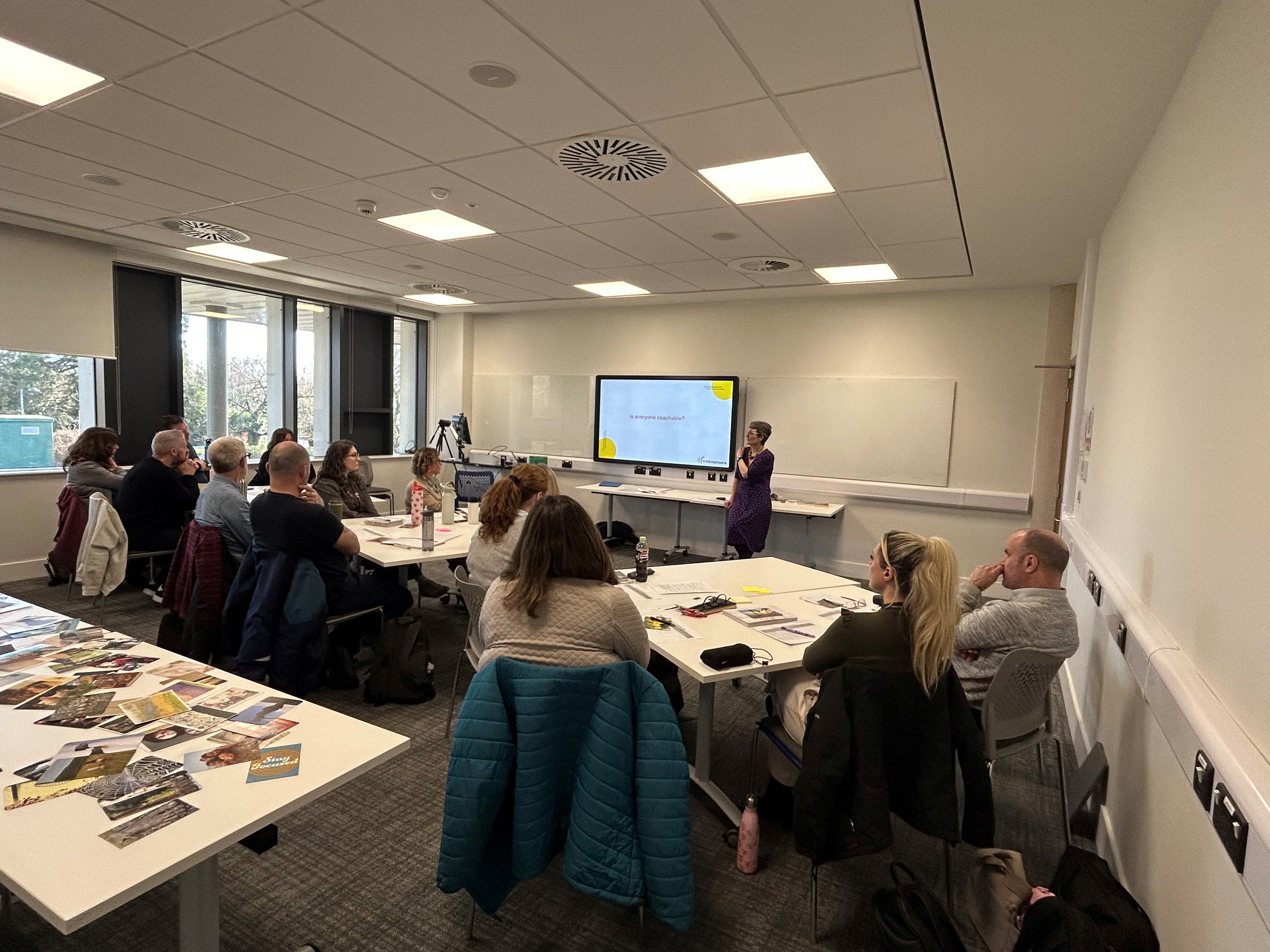
When University of Gloucestershire set out to build a coaching culture, colleagues leading their coaching programme helped shape a more strategic approach, recognising that while workshops played an important role, lasting change would require a broader, more integrated effort. The organisation had a well-established “telling” culture, where managers were expected to provide answers and staff were used to seeking direction rather than exploring solutions themselves.
Although coaching existed in theory, it wasn’t widely understood or embedded in day-to-day practice. It was easy to overlook and had limited visibility across the organisation. At the same time, the university was managing significant change, including restructures and leadership shifts, which made it harder for new ways of working to take hold.
Early efforts, including workshops and engagement with the Public Sector Coaching and Mentoring Pool, generated interest but had limited lasting impact, with staff often returning to established ways of working.
A key insight emerged: without visible senior leadership buy-in and a more intentional, phased approach, coaching would remain an add-on rather than becoming part of the organisational culture.
Colleagues at the university recognised that embedding coaching required a thoughtful, long-term approach; one that balanced ambition with organisational readiness. They used this learning to strengthen the offer, building in greater structure, visibility and senior leadership support.
The value of the approach lay in the collaborative working relationship between the university and West Midlands Employers (WME) coaching and mentoring colleagues; combining internal ownership with the guidance, structure and support needed to move coaching from a development offer into a wider organisational culture shift.
Rather than attempting to do everything at once, the university worked with WME to build the approach step by step, with a strong focus on visibility, accessibility, and integration into everyday practice.
What started as workshops has grown into a culture where coaching underpins everyday conversations - and I feel incredibly proud to see it now embraced and lived by our whole UoG community.
Leanne McLean, Talent Development and Belonging Advisor/Coaching Programme lead
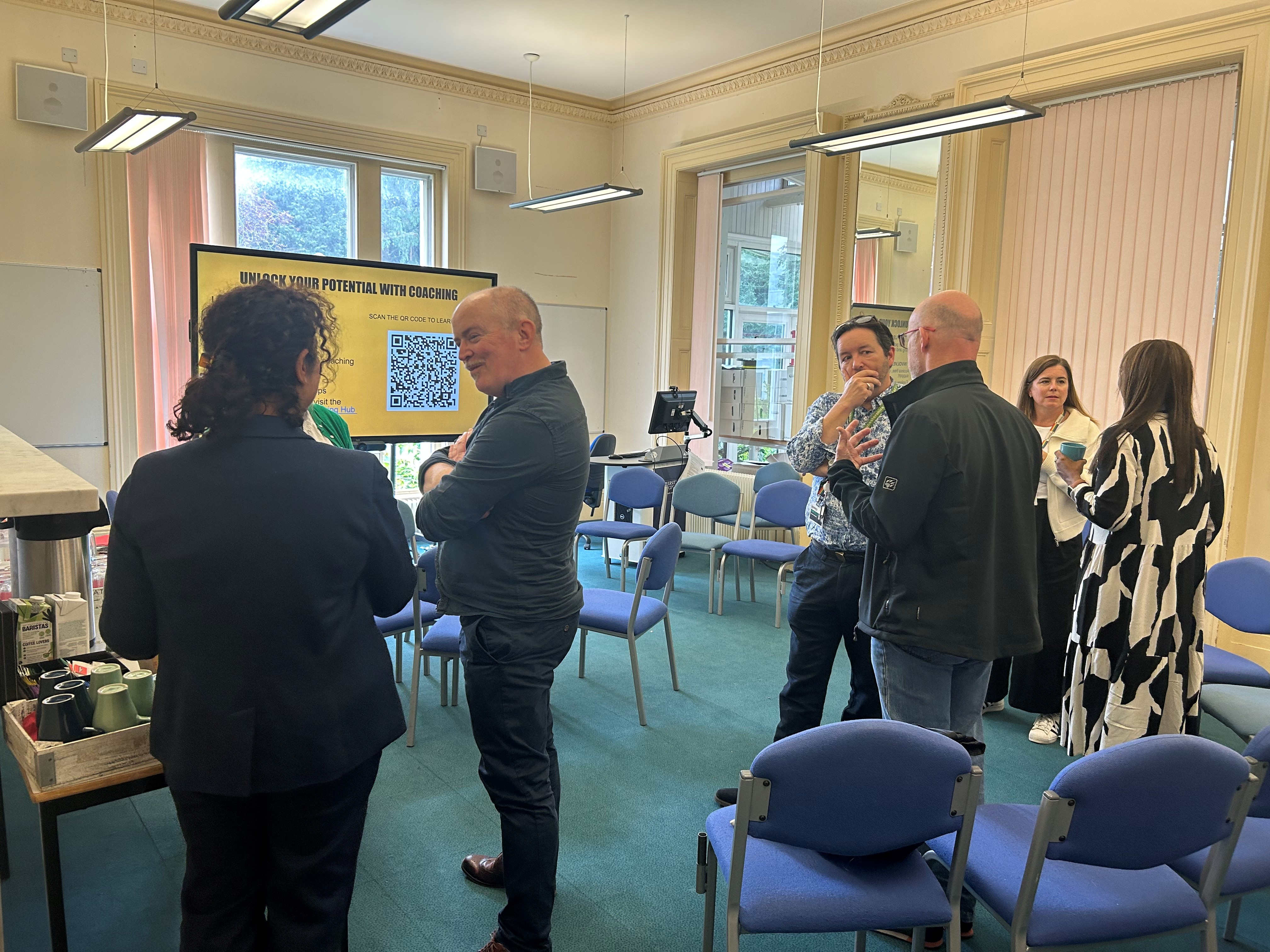 The journey began with the university rejoining the Public Sector Coaching and Mentoring Pool in 2022, giving access to coaching support, development opportunities and guidance from WME. In 2023, coaching workshops were launched and quickly filled, signalling a growing appetite across the organisation.
In 2024, University of Gloucestershire’s Coaching Lead established a Coaching and Mentoring Hub to enhance the visibility and accessibility of coaching across the institution, drawing on broader sector insights, including conversations with WME colleagues around embedding coaching into everyday organisational practice.
Momentum continued to build with the launch of the Level 5 Coaching Apprenticeship in 2026, which attracted more applicants than available places. Alongside this, the university introduced quarterly internal coach meetings and coaching cafes to support a reflective and sustainable internal community.
Coaching was also woven into key touchpoints such as inductions, manager communications, and people partner conversations, helping it move from concept to everyday practice.
In October 2025, a dedicated coaching session for senior leaders, attended by the Vice Chancellor, provided a visible endorsement of coaching and contributed to its growing recognition as a strategic priority.
The impact has been both measurable and cultural. For the university, coaching is helping to shift workplace conversations away from a directive, ‘telling’ approach towards a more open, reflective, and empowering culture.
Through sustained collaboration between the university and WME , coaching is now part of everyday language and practice. Leaders are increasingly adopting coaching approaches earlier in conversations, to support problem-solving, build confidence and reduce the need for formal escalation.
Evaluation feedback from staff who accessed coaching through the Public Sector Coaching and Mentoring Pool shows a clear and positive impact. With an 80% response rate, participants reported improvements in:
Feedback from this group shows clear improvements in:
- Confidence (+62%) • Ability to manage change (+53%)
- Team and project performance (+39%)
- Motivation (+33%) Participants also rated the coaching relationship highly, with an average score of 9.38/10, alongside strong reported impact on organisational contribution and leadership capability.
Participants also rated the coaching relationship highly, with an average score of 9.38/10, alongside strong reported impact on organisational contribution and leadership capability.
The value of the approach is also evident financially. Over 130 hours of coaching have been delivered via the pool, representing an estimated saving of over £16,000 compared to commercial rates*. This demonstrates how the subscription model enables access to high-quality coaching at scale, alongside CPD opportunities, resources, and a supportive professional community.
Together, the cultural shift, participant outcomes and financial return have reinforced the university’s decision to renew its subscription and continue embedding coaching.
Most importantly, the foundations for sustained cultural change are now firmly in place. The university has developed a connected internal coaching community, strengthened leadership behaviours, and created the conditions for coaching to continue to grow, supporting a shift from “telling” to genuinely “thriving.”
* Figures from 1st April 2023- 31st March 2026. Using a blended market rate across career, leadership and executive coaching, a benchmark rate of £275 per hour has been applied to calculate savings.
As a result of the coaching experience I felt better equipped to deal with new challenges and also provided me with tools that I have now adapted to all parts of my life, not just at work.”
Anonymous Staff Member
Find the right coaching solutions
Contact us for help with investing in leadership development and coaching culture.
Samantha Darby
Coaching & Mentoring Consultant