It’s Time to Rethink Change Management: From Managing Projects to Growing Conditions
Posted on: 15/01/2026
Thought Leadership
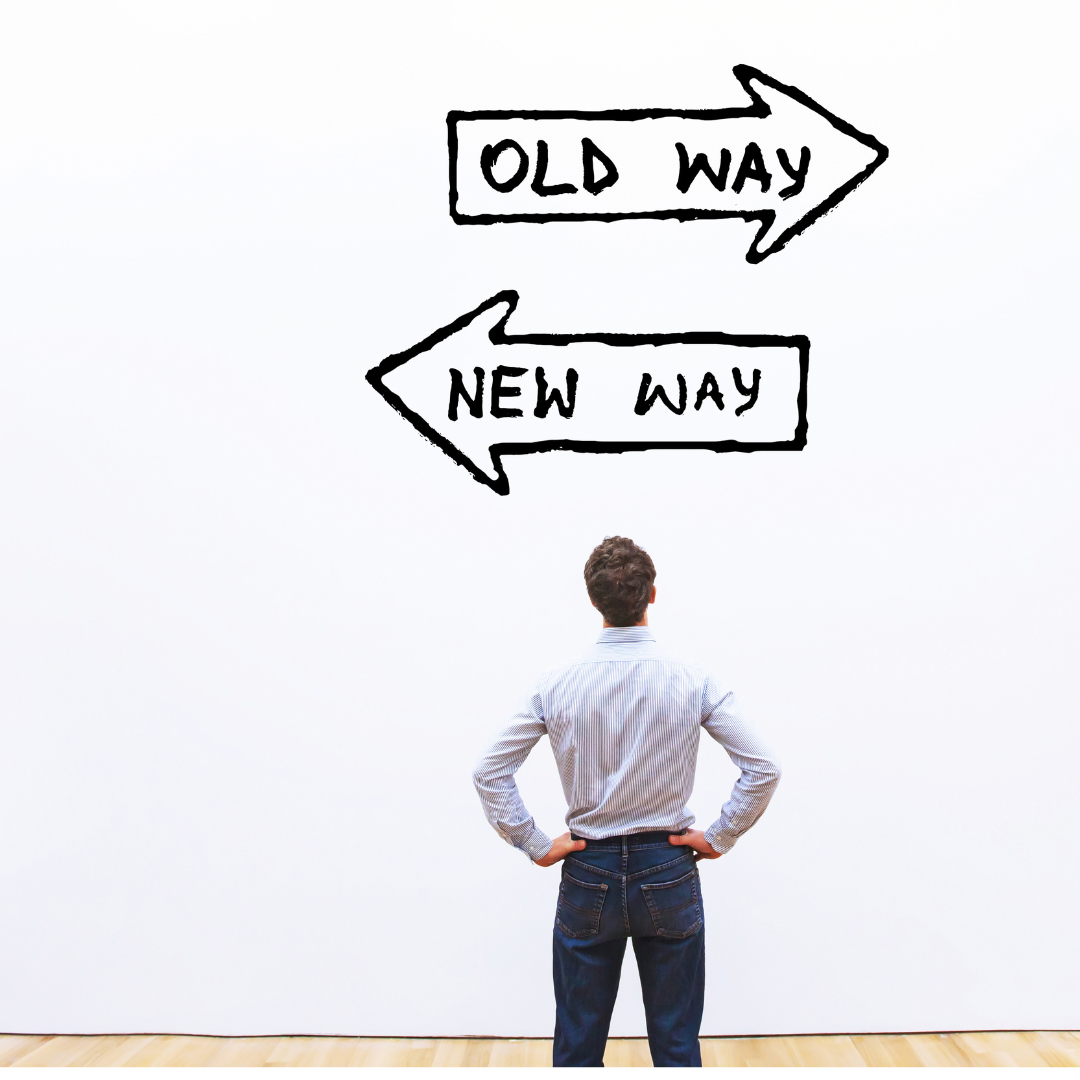
Change management has helped councils bring structure to uncertainty for decades, but the world has shifted. Change is no longer an event to manage; it’s the environment we all operate in. Michelle O'Neill explores why traditional models are no longer enough and how leaders can build the conditions where people feel safe, able to learn, experiment and adapt. Because when change is constant, our real advantage is the environment we grow, not the processes we control.
 Michelle O'Neill Principal Consultant OD, Leadership and Learning at West Midlands Employers
We’ve been talking about change management for decades - teaching it, embedding it, rolling it out through toolkits and templates. And to be fair, it’s served us well. It’s brought structure, helped us make sense of uncertainty, and stopped chaos from taking over when big shifts land.
But lately, it’s felt like we’re using the same old tools on a very different kind of problem. The world councils operate in has changed….profoundly.
The world we’re in now
We’re not managing neat, one-off change projects anymore. We’re living in constant turbulence. Change has stopped being an event. It’s become the environment.
If we were once working in a VUCA world - volatile, uncertain, complex, ambiguous - we’ve now tipped into BANI:
Brittle: things look strong until they snap under pressure.
Anxious: everyone’s waiting for the next restructure or crisis.
Non-linear: tiny decisions trigger big, unpredictable ripples.
Incomprehensible: everything’s so complex, it’s hard to explain even to ourselves. And in that kind of environment, traditional change management, with its neat stages, comms plans, and milestones, only takes us so far.
What if the real lever for change isn’t managing people through it, but shaping the conditions that help them adapt with confidence and clarity?
Change management still matters but it’s not enough
I’m not suggesting you throw the old models away. They give us discipline and help people orient themselves when things are uncertain. We still need the clarity of a plan, the reassurance of structure, the sense that someone’s steering the ship.
But it’s not the whole story anymore.
Traditional change management works brilliantly when we know roughly where we’re going, when there’s a start and finish line. What we’re facing now is continuous, interconnected, unpredictable. So it’s not either/or. It’s both/and.
The myth of the predictable emotional journey
Another assumption baked into the change management is that people move through change in neat emotional stages. You know, the classic change curve. Shock. Denial. Resistance. Acceptance. Commitment.
It’s tidy, reassuring, and easy to draw on a slide. But it doesn’t reflect real life anymore.
People aren’t on one emotional curve; they’re on five at once. They’re navigating competing priorities, professional changes, political uncertainty, cost-of-living stress, digital transformation, family circumstances - all layered together. One day they’re energised, the next they’re exhausted. Sometimes they skip straight from denial to action. Sometimes they circle back.
“We’ve been acting like people experience change one curve at a time. In reality, they’re juggling several and the lines keep crossing.”
So the idea that we can plan through people’s emotions - that if we do X, they’ll feel Y - just doesn’t hold anymore. Change isn’t a formula. It’s a living and breathing human.
Instead of trying to manage emotions, leaders need to:
- Acknowledge them, not predict them.
- Create safety, not false certainty.
- Listen for signals, not milestones.
- Support sensemaking, not compliance.
If change is now the environment rather than the event, how prepared are our teams to navigate complexity without waiting for permission or a plan?
From managing change to growing conditions
Real, sustainable change in councils is a flow not force. It’s not train-and-go. It’s build-and-grow. It’s the slow, deliberate work of creating the conditions where good things can emerge safely, collectively, and on purpose.
That means focusing less on controlling people through change, and more on shaping the environment they move within.
Those conditions look like:
- Psychological safety – people can speak up, try things, and not get burned for it.
- Experimentation – small tests that learn fast, not big plans that fail slowly.
- Learning loops – rapid feedback, reflection, adaptation.
- Diversity of thought – difference isn’t a risk, it’s our survival strategy.
- Light structures – enough scaffolding to hold shape, not so much it strangles movement.
When those are in place, change stops being something you manage to people, it becomes something that happens through them.
A leadership shift
This is where leadership has to evolve too. Traditional-style leaders were expected to have the answers and manage others through the process.
Future leaders need to host the space that can create clarity, connection and trust so that new answers can surface. It’s a shift from control to conditions, from certainty to curiosity. That’s uncomfortable but it’s the only honest way to lead in complexity.
If this resonates, and you’re wondering what it means for your workforce, we’ve explored this further in our latest podcast on The Lost Art of Strategic Workforce Planning. It connects the dots between long-term capability, AI, demographics and the conditions leaders need to build now.
Because change isn’t slowing down, and neither can we.